CONTEXT / STAKES
In a country marketed as a sanctuary of healing, sustainability, and peace, Cries of a Jaguar reveals a far more volatile reality. At its center is a rare experiment: an arts, ecology, and consciousness center built in rural Costa Rica for creative education and regenerative forestry—transforming denuded pasture into living systems, offering farmers alternatives to extractive cycles, and creating space for local voices, imagination, and survival.
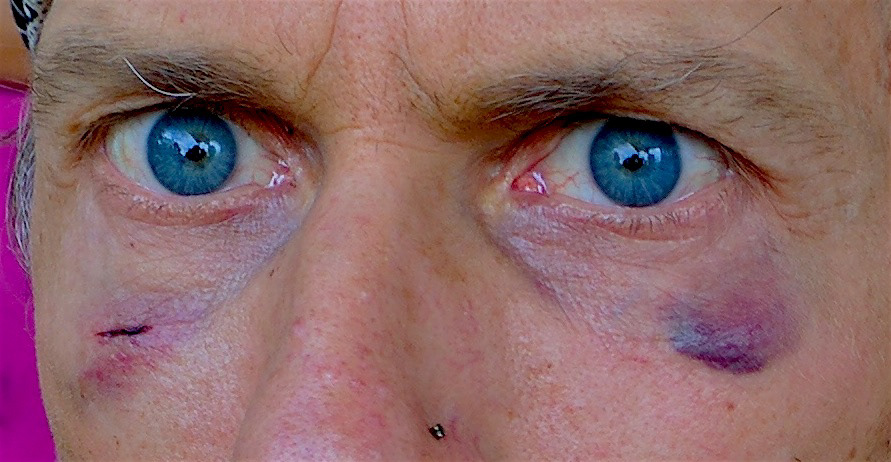
What should have been protected becomes the target. A queer-led project rooted in land, creativity, and possibility is met with relentless violence: kidnapping, brutal assault, extortion, land fraud, years of intimidation, and two catastrophic arsons that reduce structures, artworks, and livelihoods to ash. Those closest to it—some who helped build it—turn with a force that is not incidental: vengeance, bullying, and a deeply embedded machismo shaped by fear, self-loathing, and pressure, where violence becomes normalized, reinforced by silence and systemic failure.
The deeper rupture follows: bias, negligence, and judicial paralysis within the very institutions meant to protect. Beneath the image of paradise, a harder question refuses to leave—why would a community destroy one of its own chances at a future?
CHARACTER — HUILO
What makes Huilo unforgettable is the scale of contradiction they carry: tenderness and spectacle, wit and vulnerability, set against sustained violence—assault, extortion, arson—and a system that fails to protect them at every turn. And still, they remain. Not passively—deliberately.
Their queerness is not softened for visibility. It is lived in tension, in a place where it is contested, misunderstood, and at times targeted—yet becomes a source of transformation rather than retreat.
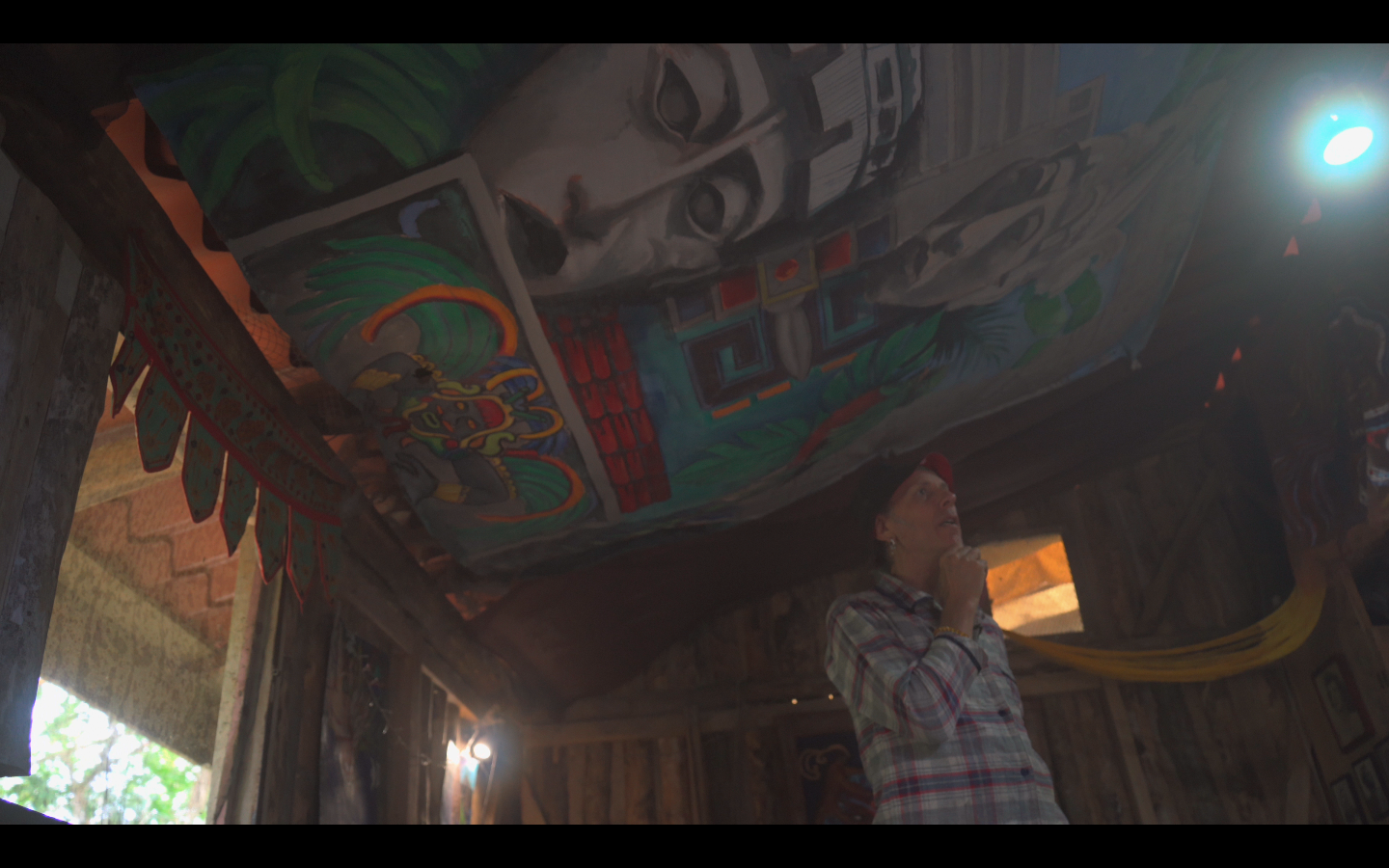
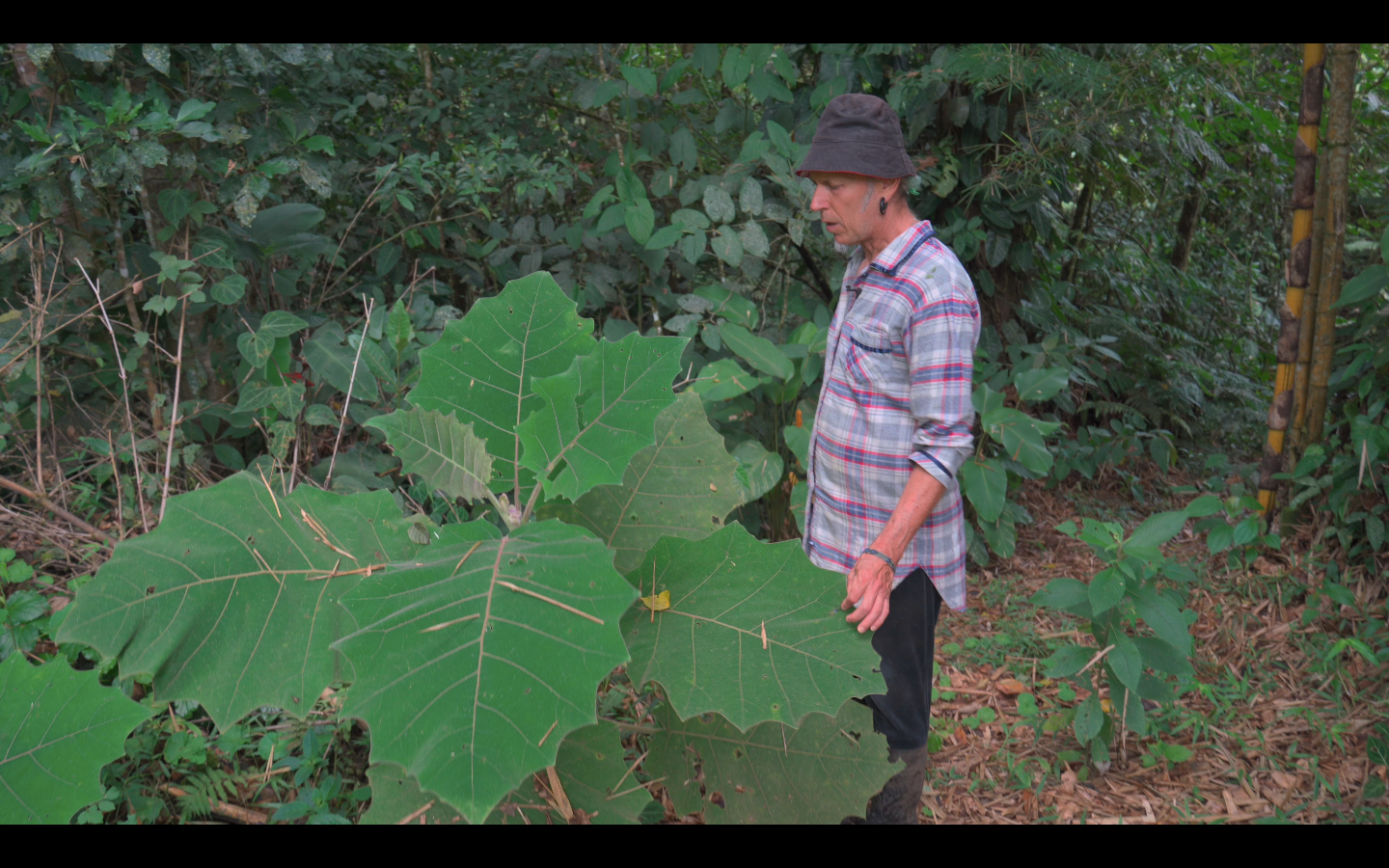
Huilo moves between identities: artist, lover, builder, witness, performer, survivor. Drag becomes both expression and shield. Creation becomes survival. Even as everything around them is threatened or erased, they continue to imagine forward.
This is what makes the journey magnetic: not endurance alone, but refusal. Following Huilo means entering a world where beauty and brutality coexist—and where, against all odds, something vital insists on being made.
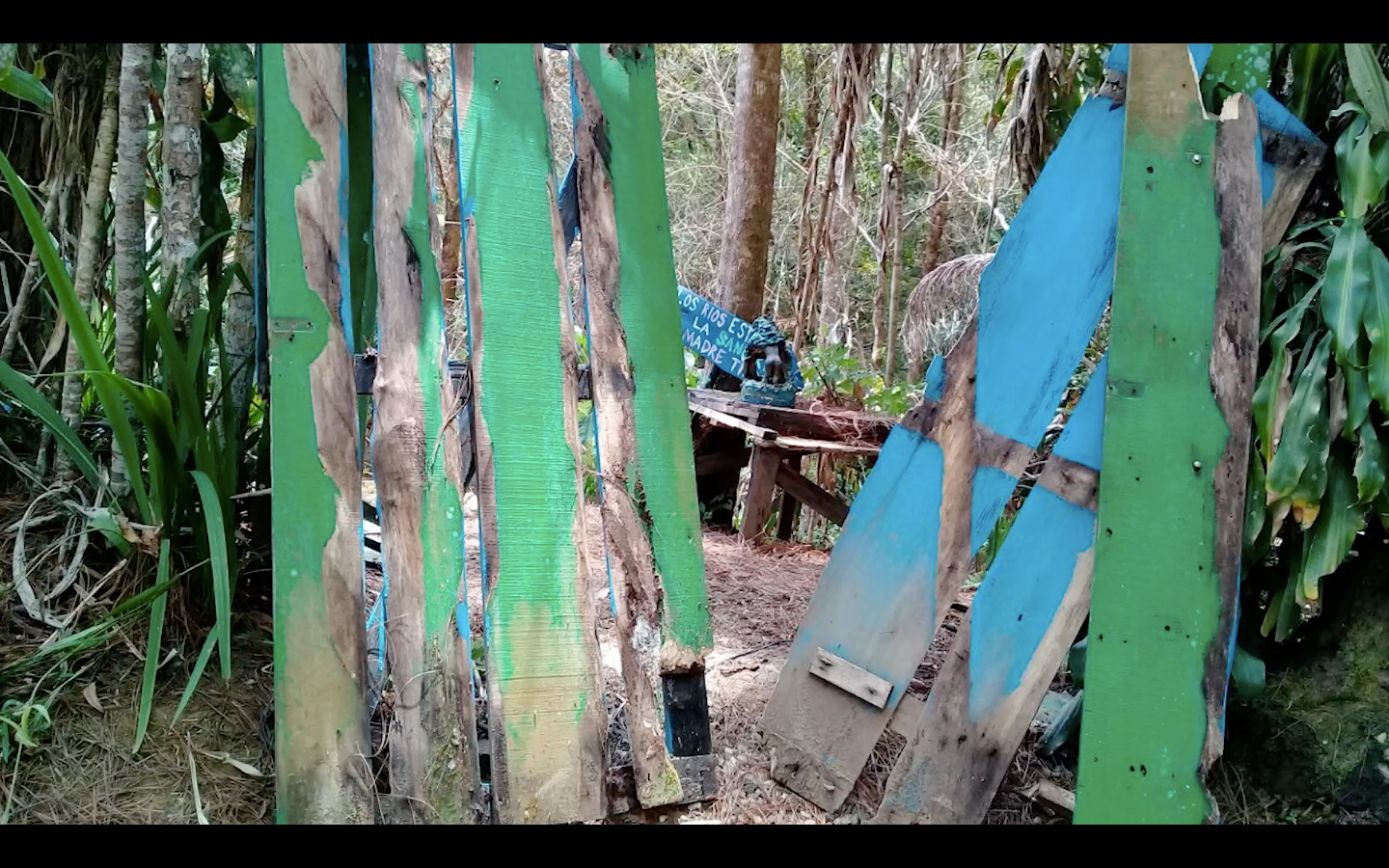
Huilo doesn’t enter the film—they ignite it. A queer artist building an improbable life in a remote region of Costa Rica, they create a cultural and ecological center from nothing—part sanctuary, part experiment, part act of defiance.
This is not only a story of resistance. It is a love story—fractured, dangerous, and unresolved—not confined to intimacy alone, but extending to land, to community, and to the fragile possibility of change. What is built is done with care, imagination, and belief—offered outward, even to those who will later turn against it.
Intimacy and threat exist side by side. Love takes many forms: in relationships, in the act of building, in the hope that something different can take root. Moments of humor, drag, and luminous creativity cut through the weight, only to be met by something darker closing in.
THE SEARCH / SHARED INQUIRY
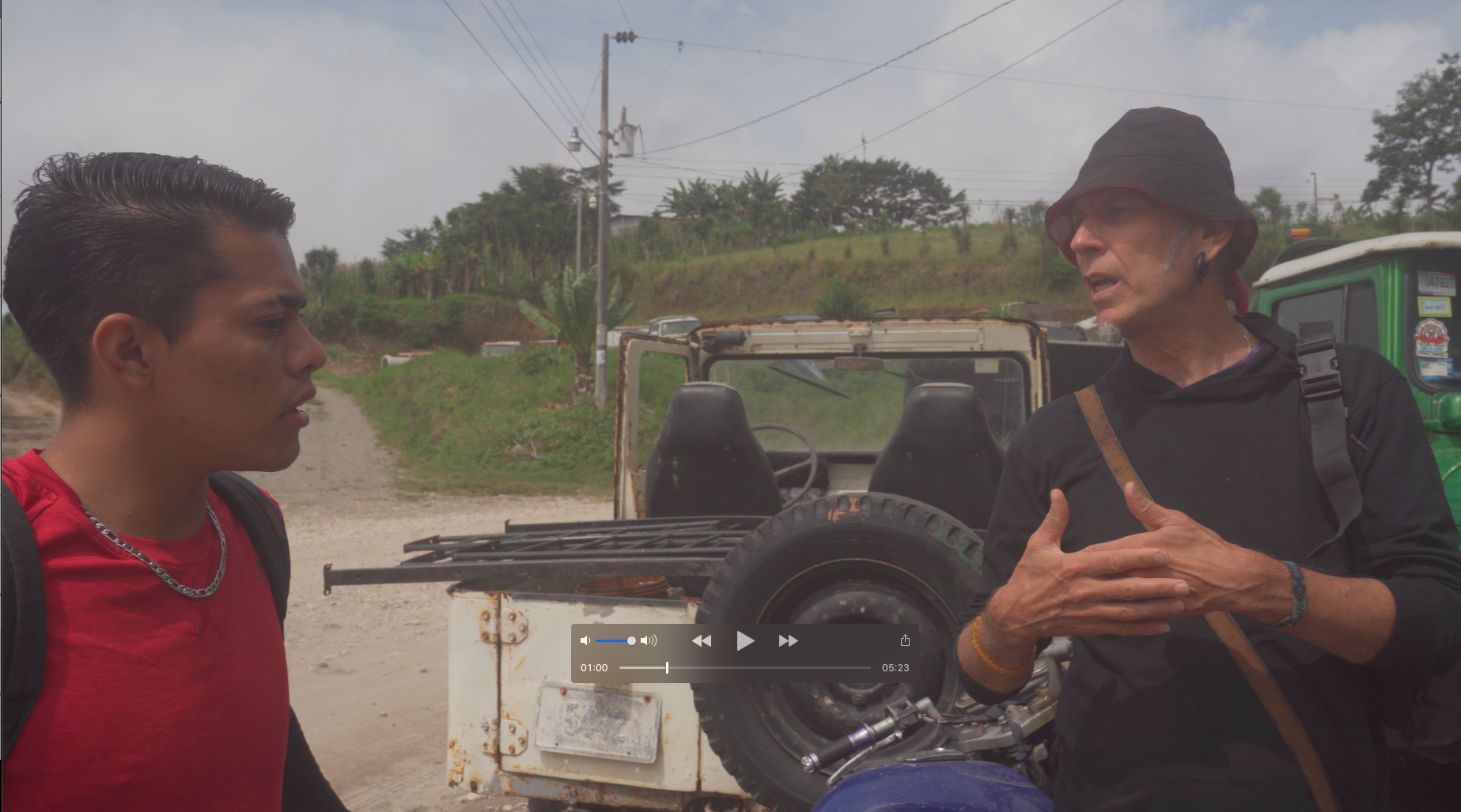
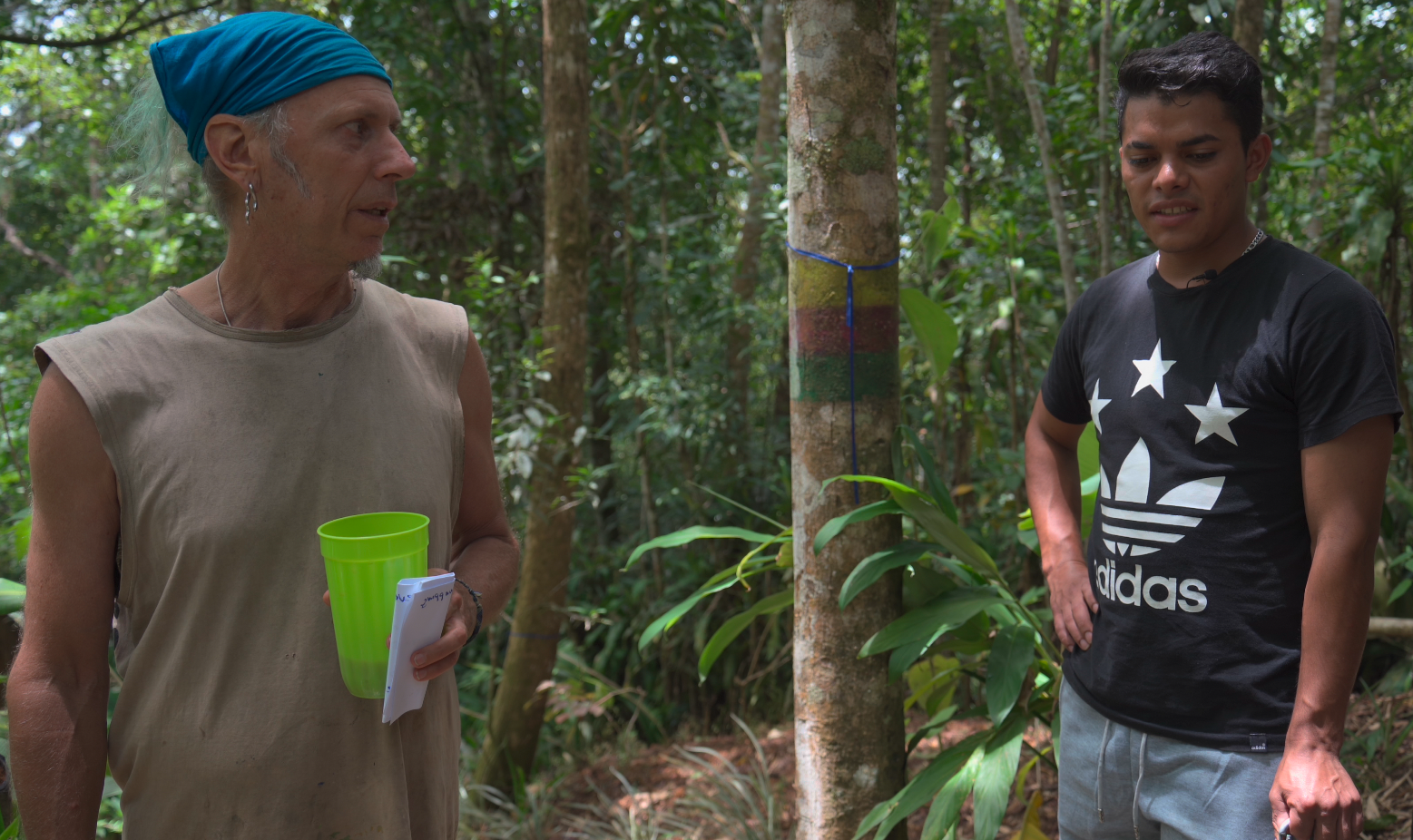
At the center of the film is a search—undertaken by Huilo and Luis in the aftermath of destruction. What begins as an attempt to understand a series of violent events expands into a wider inquiry: into land, identity, and the conditions shaping contemporary Costa Rica.
Moving side by side, they do not occupy the same position. Huilo brings an outsider’s persistence—driven to make sense of what has been lost. Luis, a young Costa Rican farmer, encounters his own country in a new way, seeing beyond the limits of familiarity into a broader and more complex reality.
Their movement through the film forms a dual perspective—neither explanatory nor resolved, but searching. The investigation does not produce clean answers. It reveals a terrain of contradiction, where meaning remains unstable, and where the need to understand persists despite it.
THE JUDICIAL PROCESS
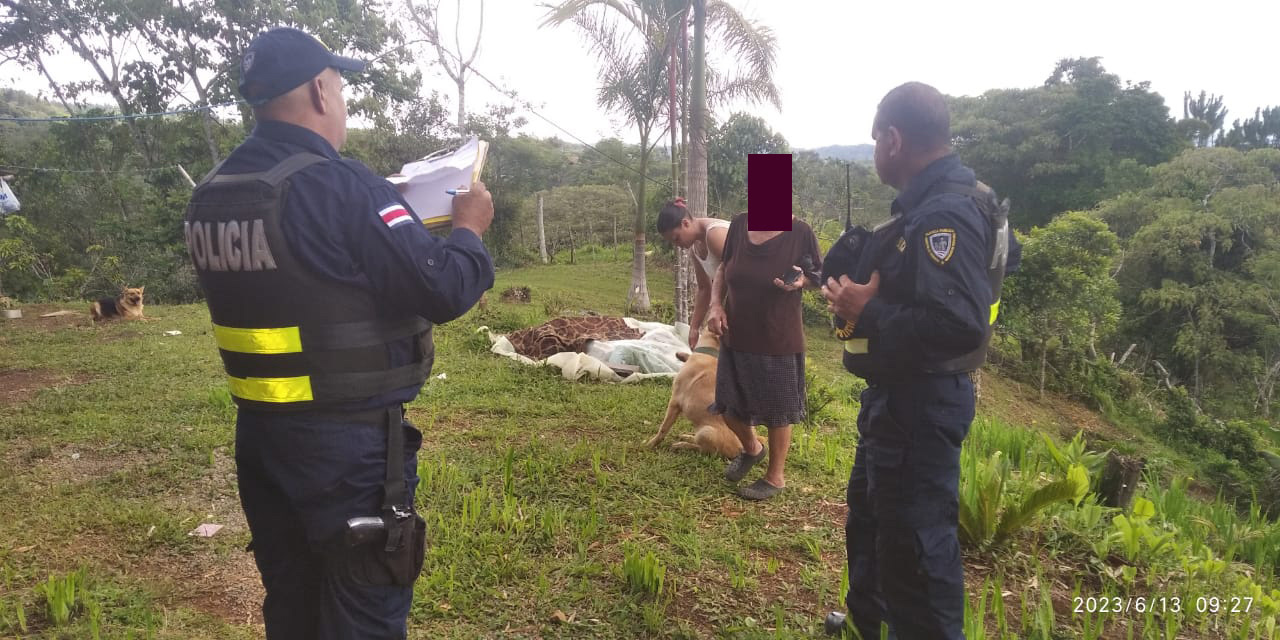
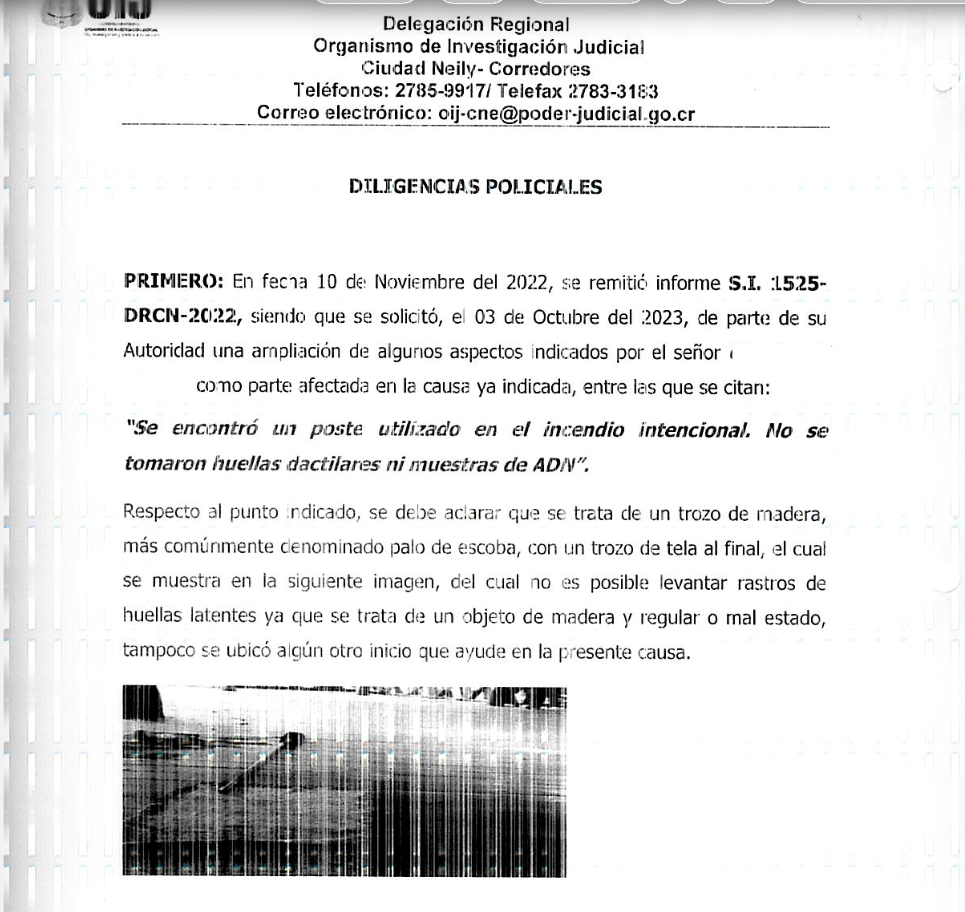
Cries of a Jaguar approaches the judicial system not as background, but as a central terrain of the film—a space where truth fractures, power distorts, and time itself becomes a weapon.
Drawing from over a decade of real cases—arson, extortion, assault, perjury, and land fraud—the film integrates fragments of legal reality: court records, testimonies, embassy statements, attorney exchanges, and investigative gaps. These materials are not presented as static evidence, but as a living architecture of delay, contradiction, and systemic failure.
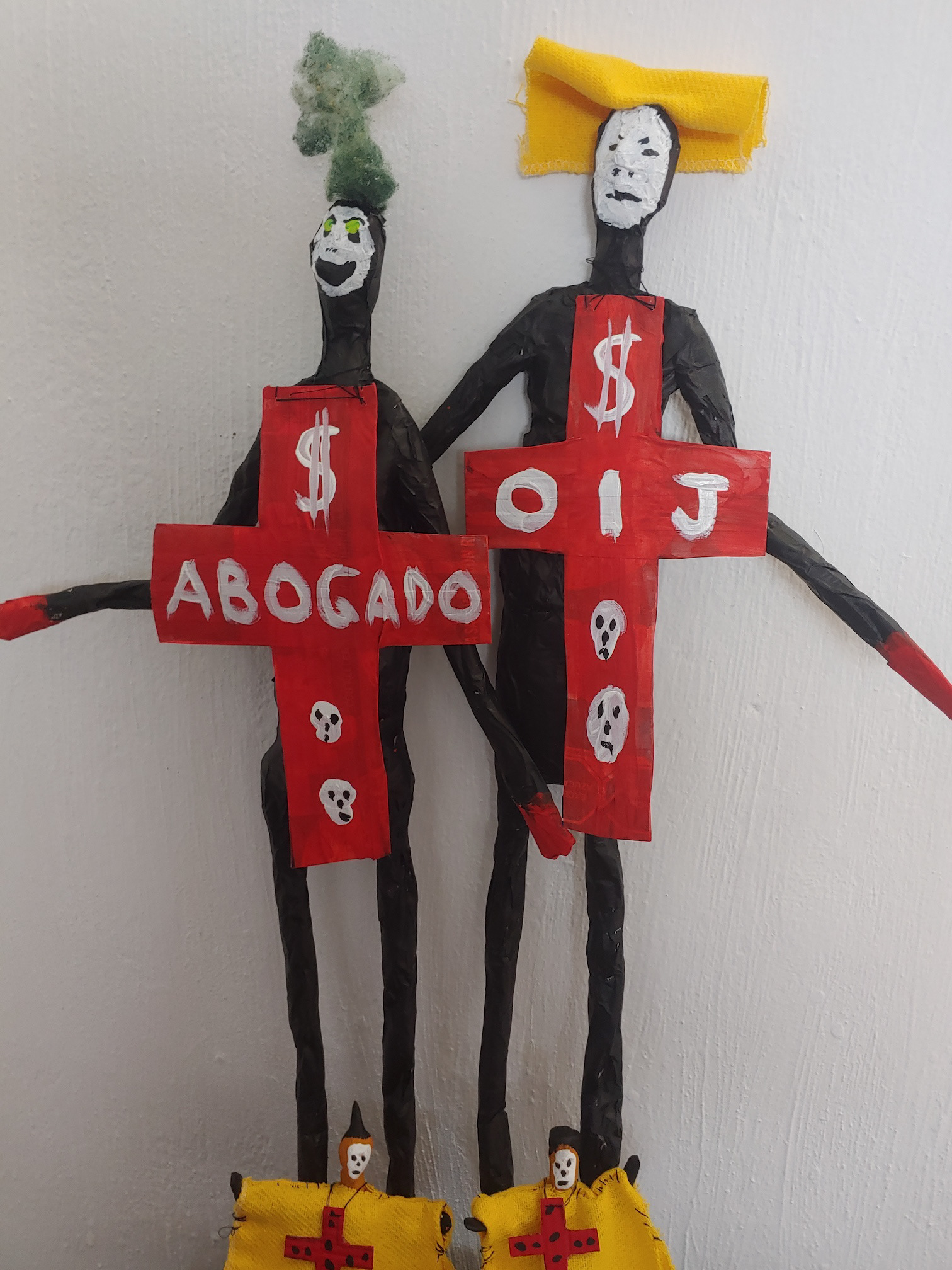
The judicial process unfolds cinematically through layered devices: on-screen text derived from real communications during active crimes, reconstructed sequences of hearings and interrogations, and poetic visual translations of bureaucratic inertia. The film juxtaposes the urgency of violence with the paralysis of institutions—where minor infractions are processed in days, while attempted murder cases remain unserved for years .
Rather than a linear legal narrative, the film constructs a psychological and emotional map of justice deferred. Investigations collapse into silence. Evidence disappears. Authority fragments. The result is not only personal exile, but a broader question: what happens when systems designed to protect instead perpetuate harm?
At its core, the judicial thread of Cries of a Jaguar exposes a deeper instability—where law, land, and identity intersect under pressure—and where the search for justice becomes a cinematic quest through opacity, endurance, and survival.
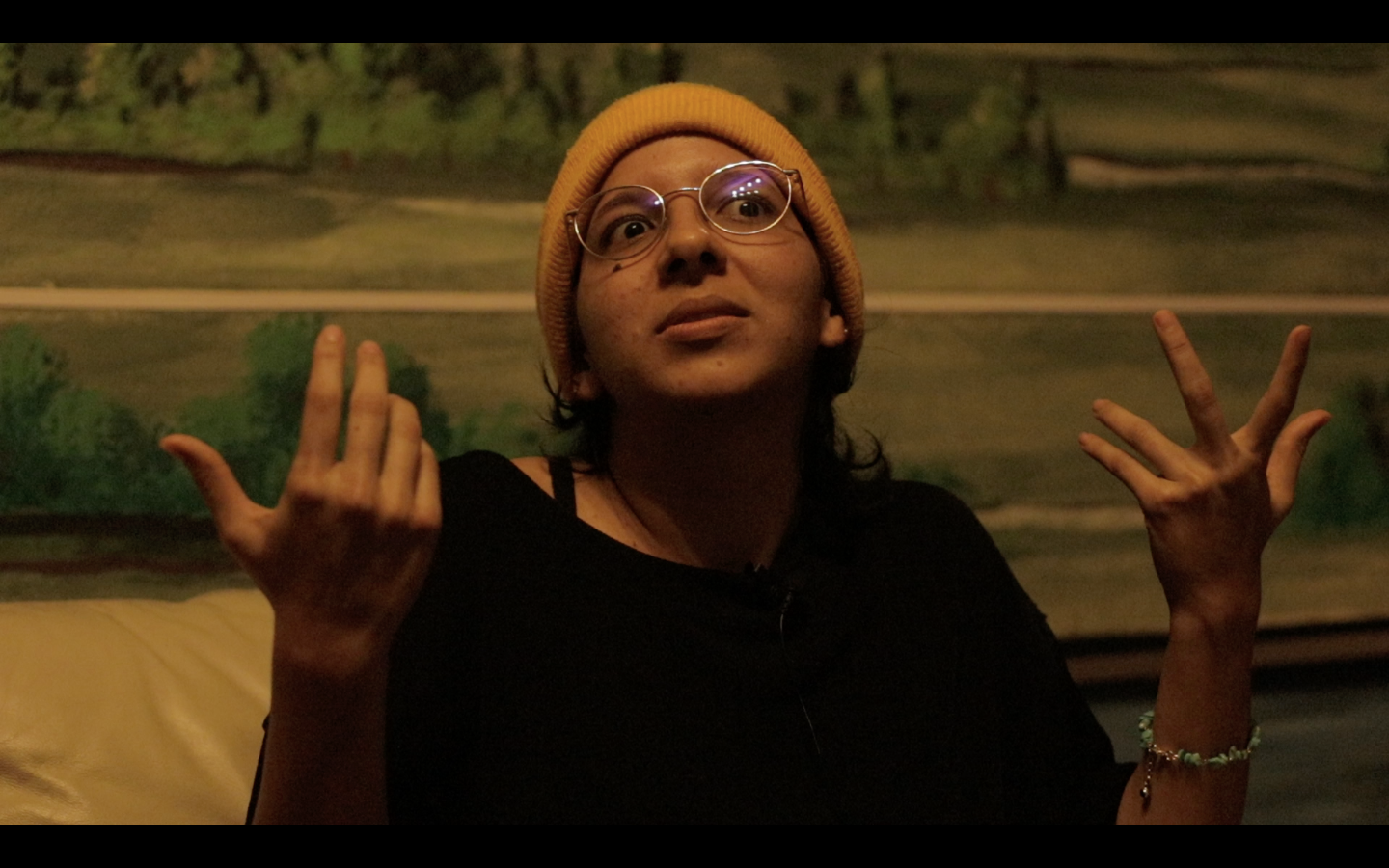
VOICES/ TESTIMONY
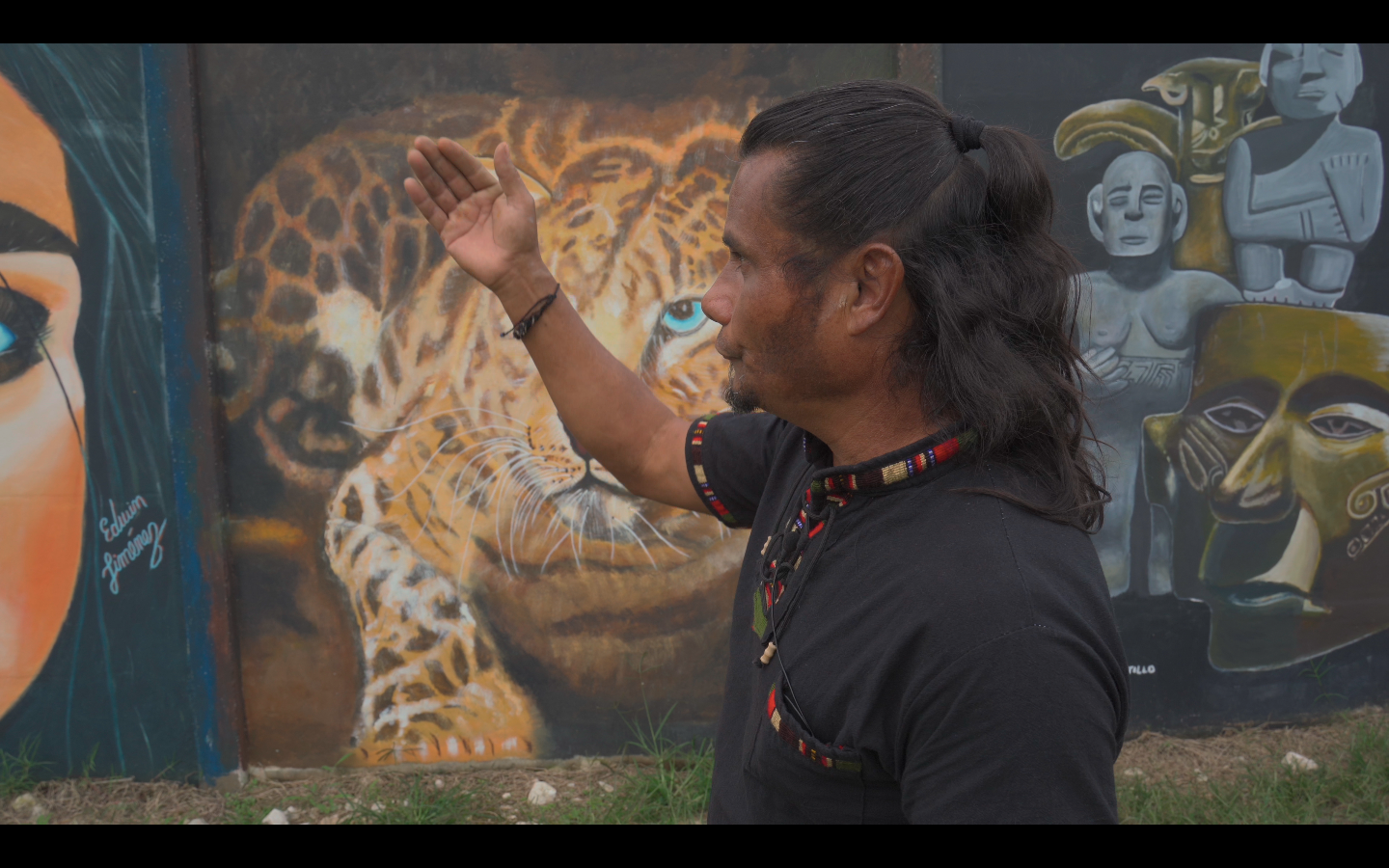
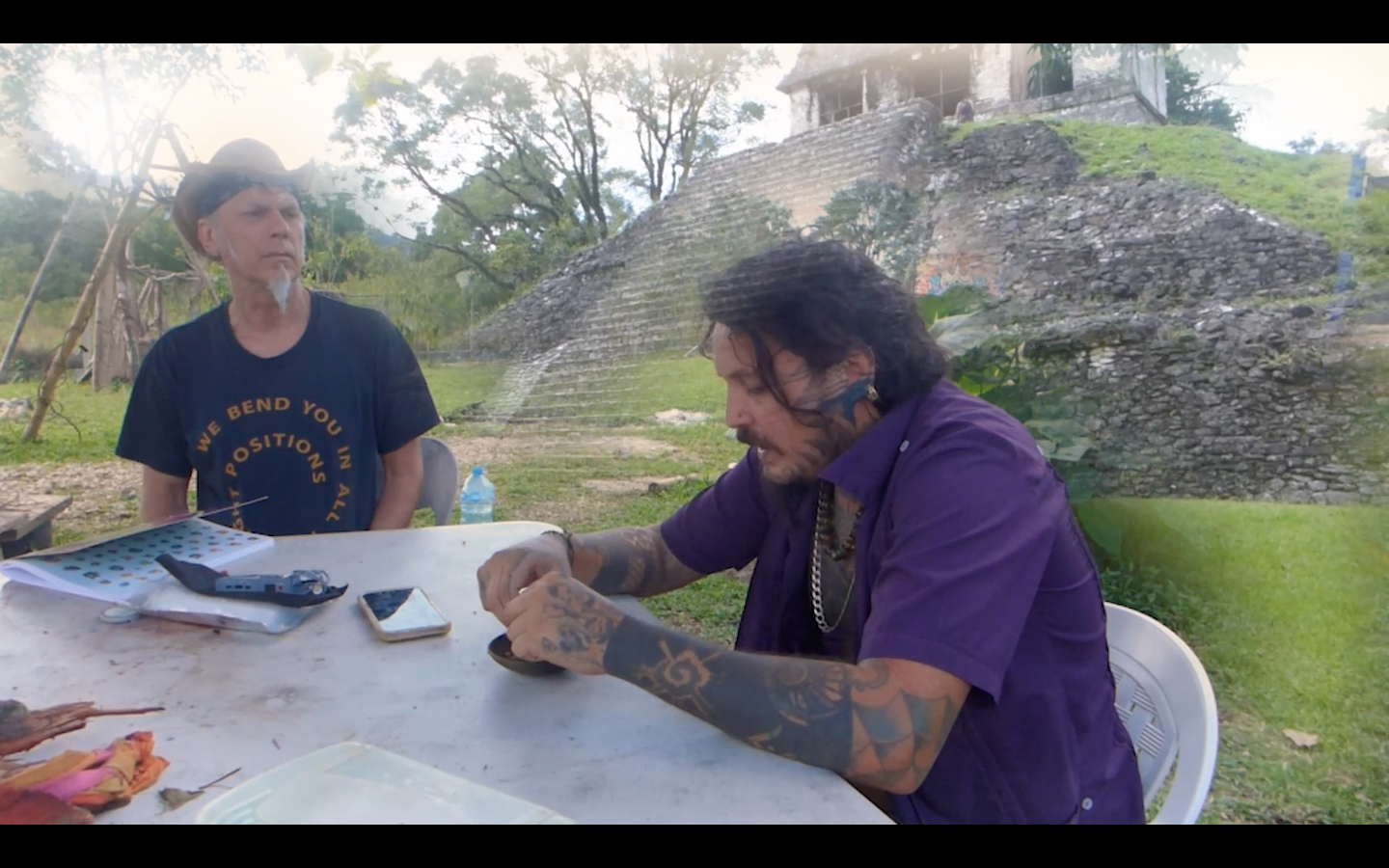
The film expands through a network of interviews conducted across Costa Rica and beyond—spanning farmers, biologists, artists, activists, and a queer public figure. Each is asked a simple but destabilizing question: what is this country becoming, and what is actually happening beneath its image?
These voices do not function as commentary, but as a living counterpoint—revealing a landscape shaped by ecological strain, economic pressure, and social fracture. The result is not a single narrative, but a field of perspectives that complicate and challenge the illusion of coherence.
QUEER PRESENCE
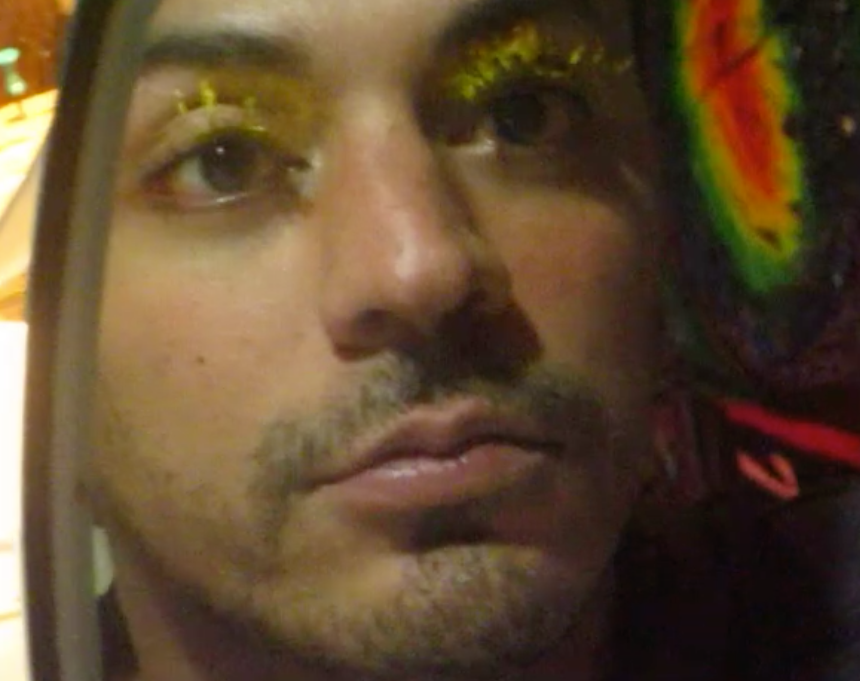
Queerness in the film is not symbolic—it is lived where the stakes are real: love, fracture, assault, kidnapping, fire, and loss. These are not isolated incidents. They unfold within systems shaped by machismo, religious indoctrination, and silence—where protection fails, and violence is allowed to stand.
The film does not center romance, but consequence. Relationships form with depth and meaning, then collide with forces that distort and punish them. Internalized homophobia is not abstract—it becomes action, rupture, and in some cases, irreversible harm. One life ends in prison when it should not have.
This is not presented as anomaly. It is a reality that persists beneath policy, beneath image, beneath progress narratives. Queerness here is generative and vital—but also exposed, contested, and too often met with brutality. The film does not look away.
THE PATTERN / SUPERNATURAL THREAD
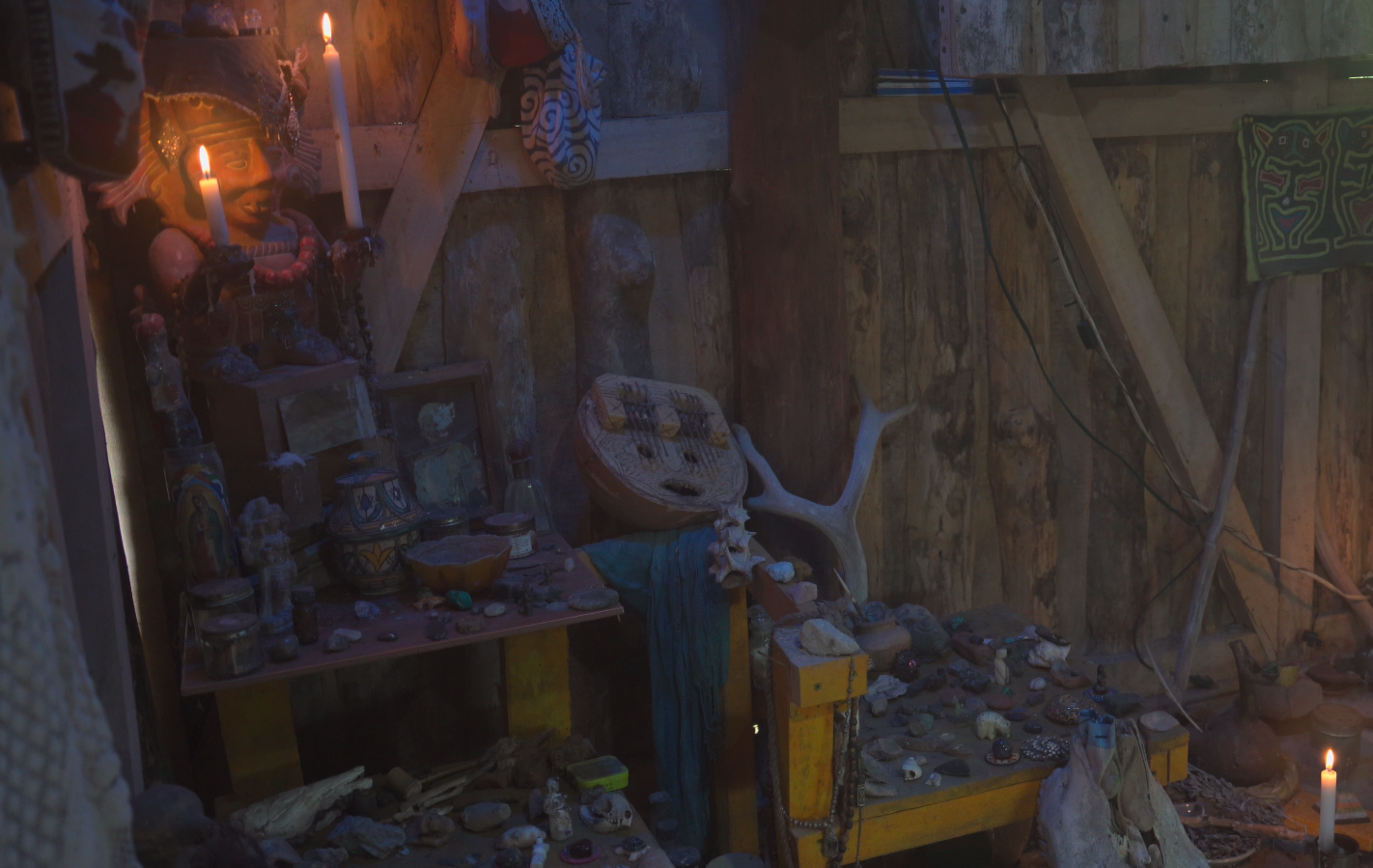
Beneath the visible events, another pattern persists—unresolved, recurring, and difficult to dismiss. Long before the center, a body of work took shape around jaguar imagery, perception, and expanded states of awareness—paintings, sculptures, and texts developed over years as an inquiry into consciousness itself.
What follows is not linear, but it is consistent. In the New Mexico desert, a series of portal paintings are violently destroyed by a stranger during a blood moon eclipse—an event as abrupt as it is inexplicable. A home burns in Chile while the mythology is still being written. The work reforms, relocates, evolves—only to meet disruption again.
The center in Costa Rica becomes the most complete expression of this trajectory—a convergence of art, ecology, and perception—and where the pattern intensifies. The works are not simply lost; they are targeted, removed, burned, erased alongside the structures that hold them.
The film does not resolve this. It observes it: a sustained attempt to build something—again and again—met by forces that repeatedly dismantle it. Whether coincidence, resistance, or something less easily named, the recurrence remains.
JAGUARELLA — THE DOPPELGÄNGER
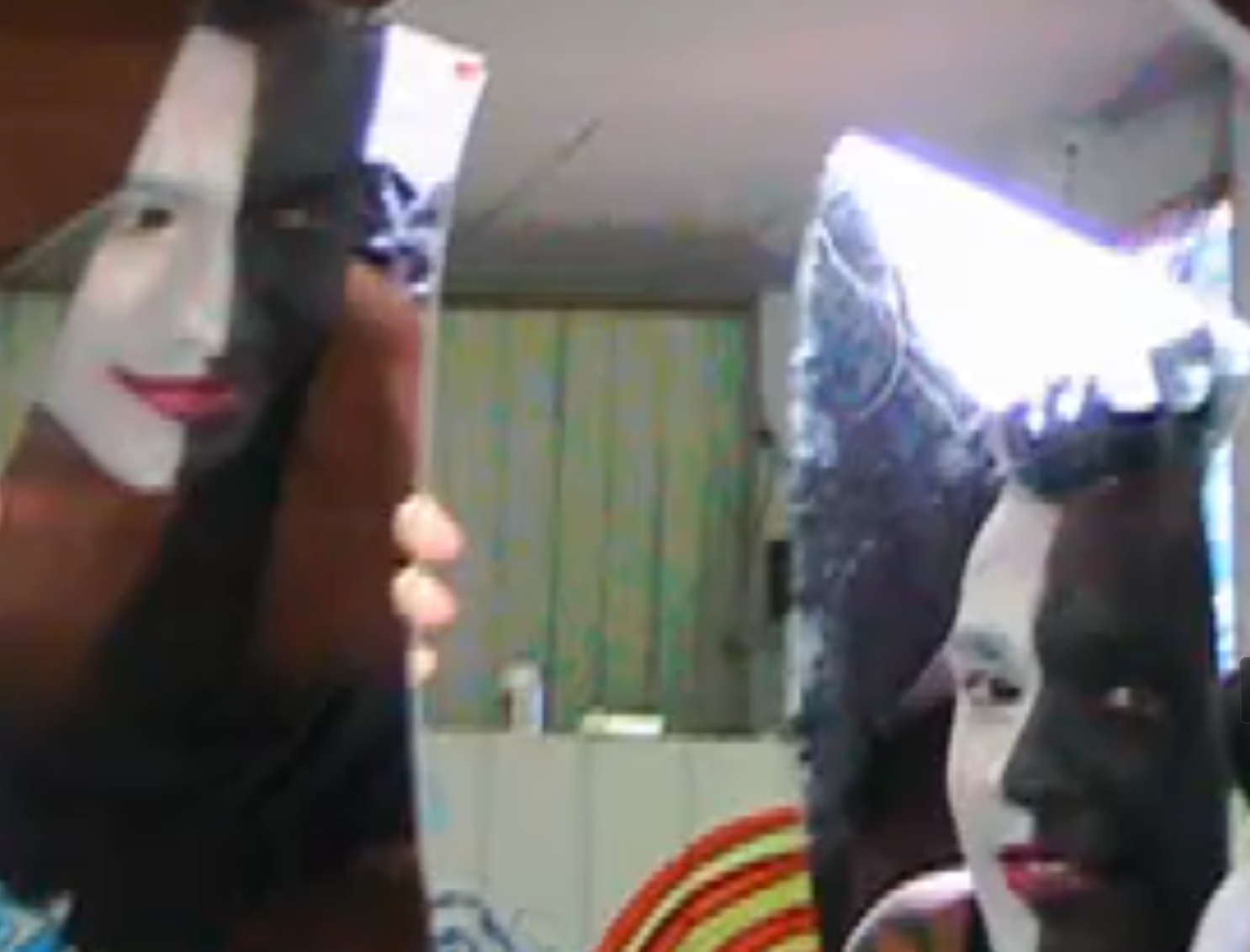
Jaguarella is not a character in the traditional sense—they are a doubling, a fracture, a second presence moving alongside Huilo as the film unfolds. Emerging through drag, performance, and altered visual states, Jaguarella carries what cannot be spoken directly: intuition, defiance, humor, and a sharpened way of seeing.
In a landscape defined by contradiction—where a global wellness economy masks instability and violence simmers beneath the surface—Jaguarella confronts what resists explanation. They move between registers: playful, seductive, unsettling, at times prophetic—not as escape, but as heightened engagement with reality.
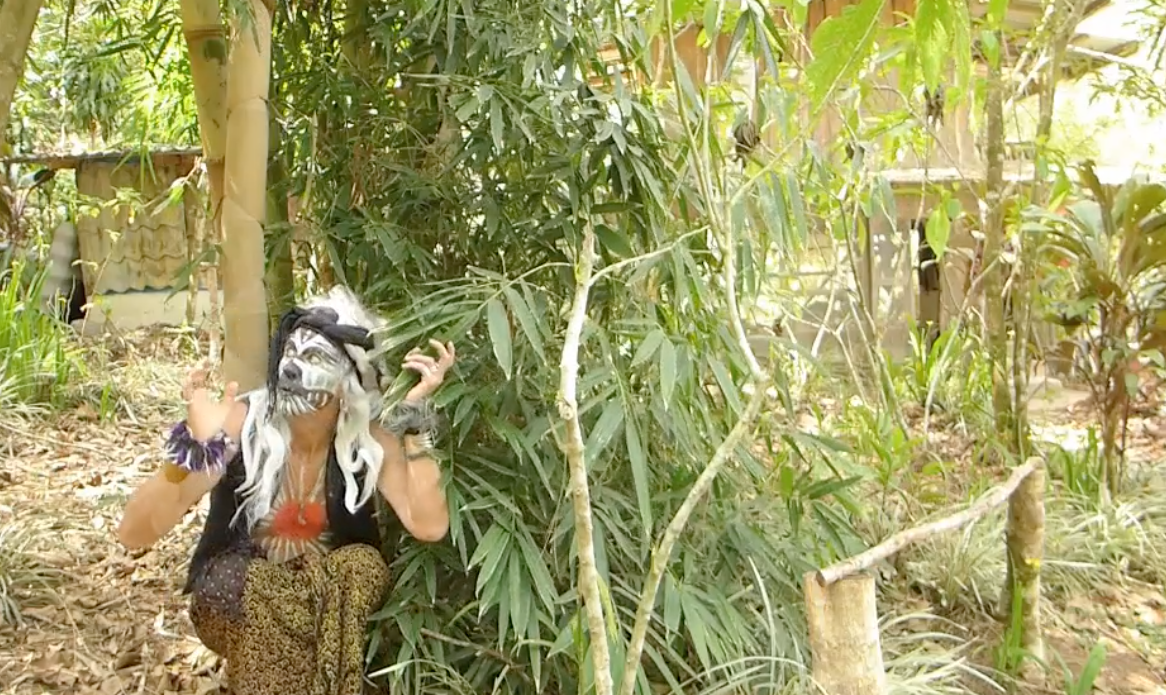
Cinematically, Jaguarella signals a shift. Through stylized image treatment and embodied presence, they open a parallel layer of the film where internal experience, social pressure, and unseen forces intersect.
The result is a doppelgänger that is neither metaphor nor ornament, but an essential device: a queer, shape-shifting lens through which the film’s deeper tensions—identity, violence, illusion, and survival—come into focus.
INTERWOVEN APPROACH— ANIMATION & RE-CONSTRUCTION
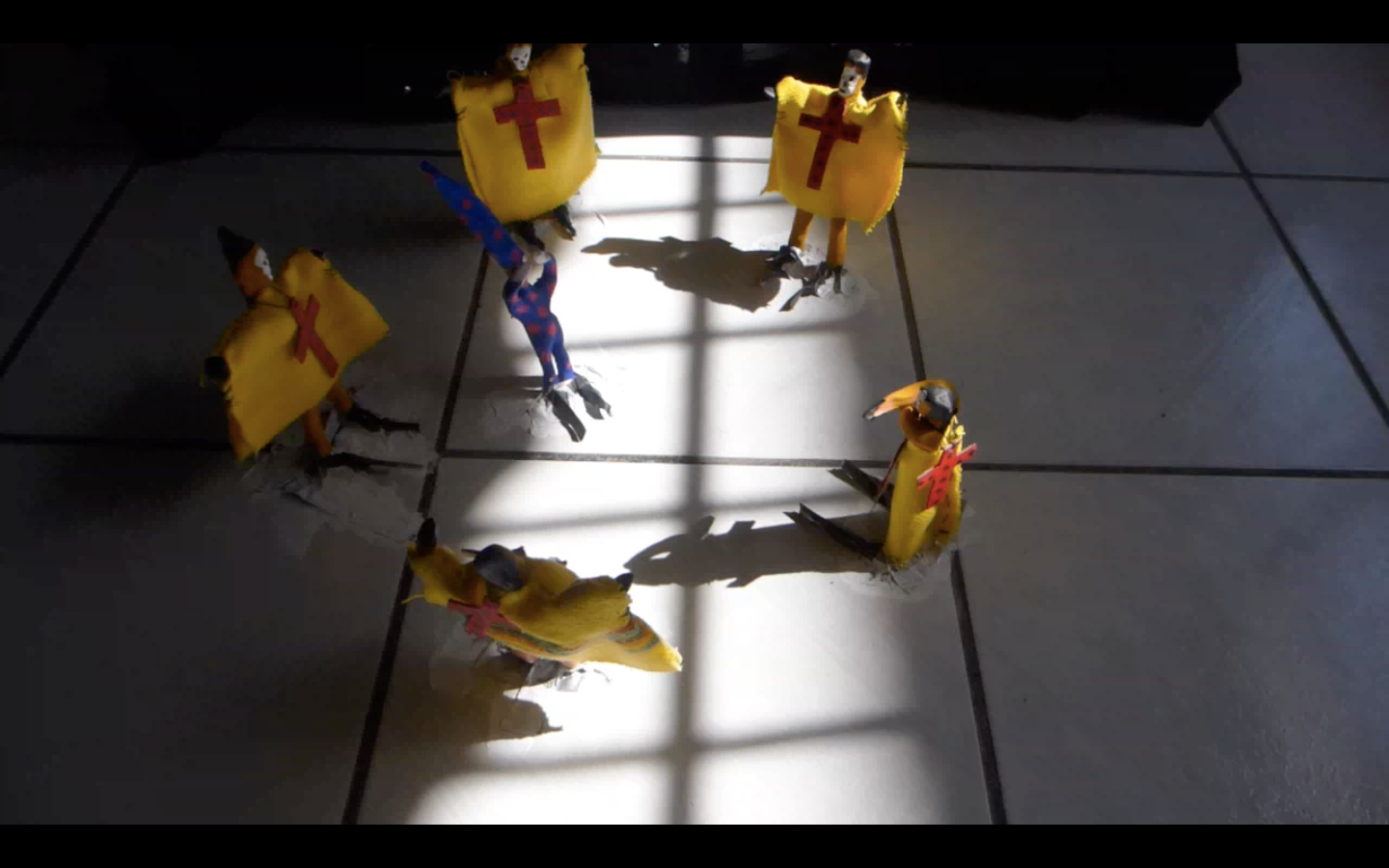
Cries of a Jaguar is constructed through a multi-register form that moves beyond conventional documentary. Observational footage is interwoven with animation derived from original illustrated works, figurine-based re-enactments, stylized performance, and handwritten textual elements—each chosen to render aspects of the story that resist direct depiction.
Events tied to violence, memory, and institutional failure are not reproduced literally. Instead, they are translated through constructed image systems—miniature environments, suspended figures, and fragmented visual sequences that allow distance, clarity, and interpretation without reducing complexity to spectacle.
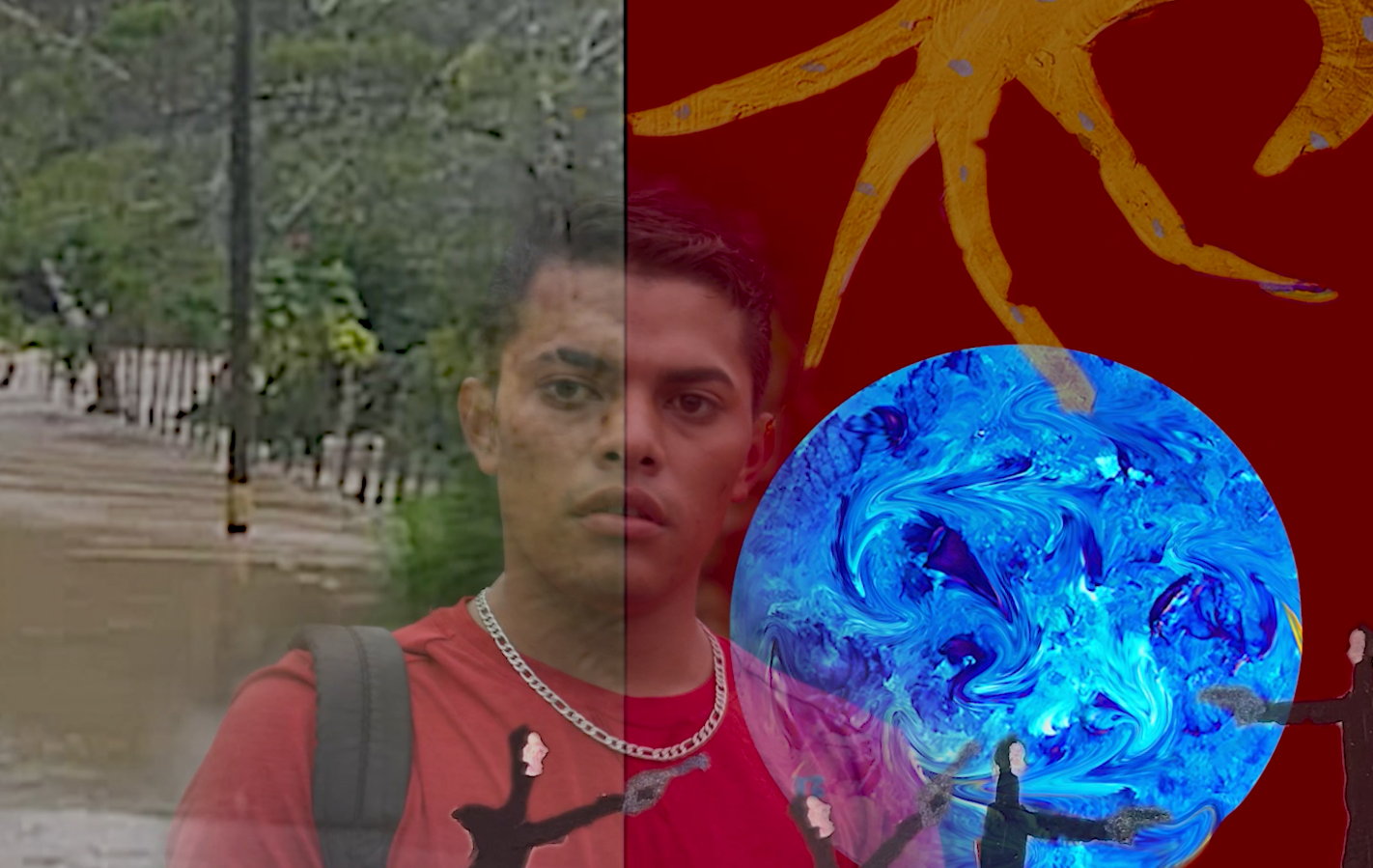
Parallel to this, stylized interventions—most notably through the presence of Jaguarella and shifts in color, texture, and image treatment—signal movement into interior states of perception, where intuition, emotion, and lived contradiction take form.
This expanded cinematic language is not aesthetic layering, but necessity. It creates a cinematic language capable of holding multiple realities at once: the visible and the obscured, the documented and the felt, the factual and the experiential.
MUSIC & SOUND
Music in Cries of a Jaguar is not decorative—it functions as a parallel narrative. Lyrical compositions by Lucia Comnes anchor the film’s emotional core, moving between intimacy and rupture. Her work ranges from mournful vocal pieces such as The Thief, underscoring loss and instability, to Pura Vida, a deceptively buoyant Latin rhythm layered with darker truths—its lyrics cutting through national identity and exposing what remains unspoken.
These compositions are interwoven with local musical elements—flute, guitar, and ambient textures—alongside field recordings captured directly in the rainforest. The soundscape draws from Costa Rican collaborators while extending beyond the local through additional lyrical works, including a rare piece by a deceased artist, held within the project’s evolving rights framework. At moments, vocal textures shift into something more incantatory and resonant, expanding the tonal range beyond folk into a deeper, atmospheric register—yet always grounded, immediate, and lived-in.
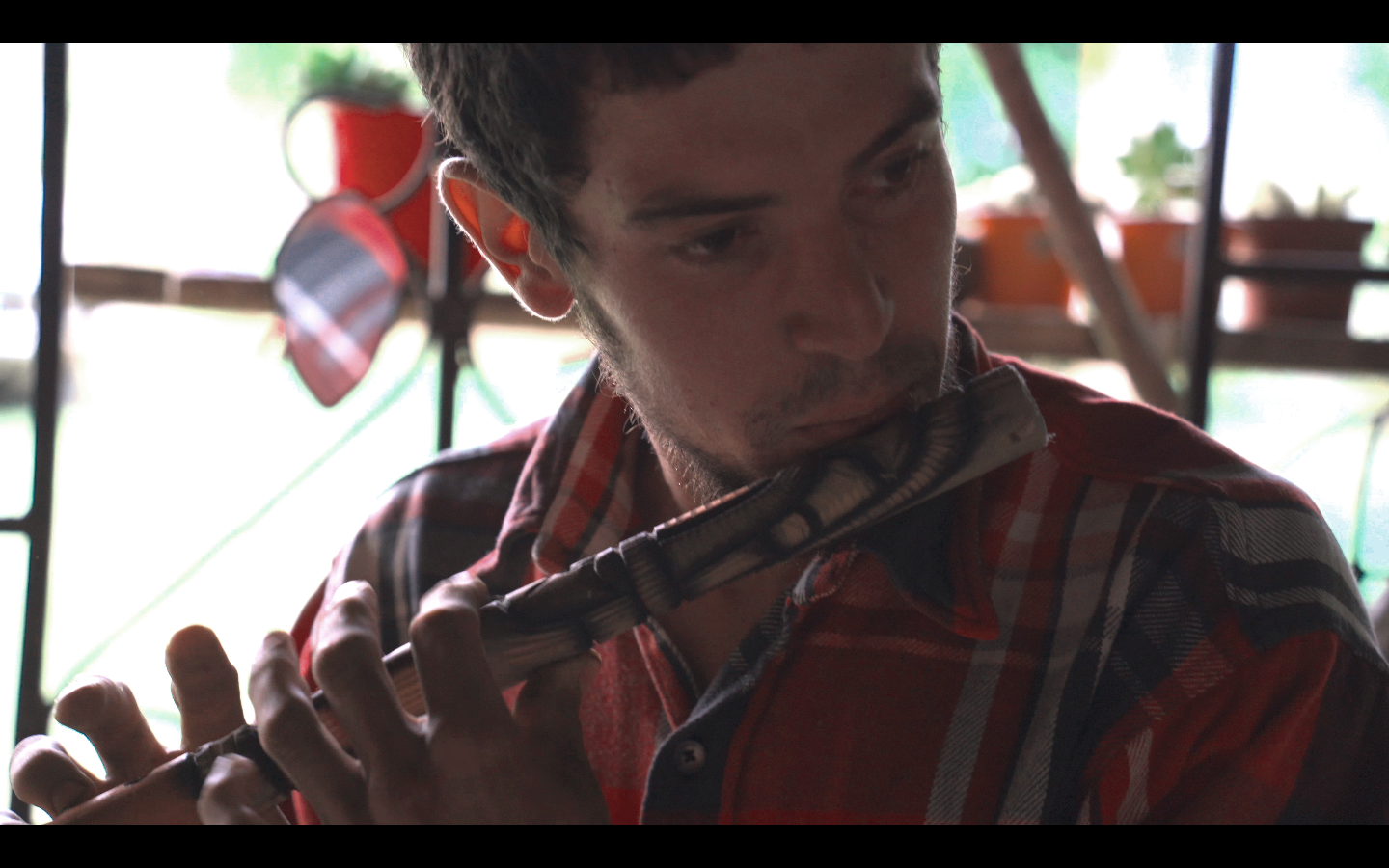
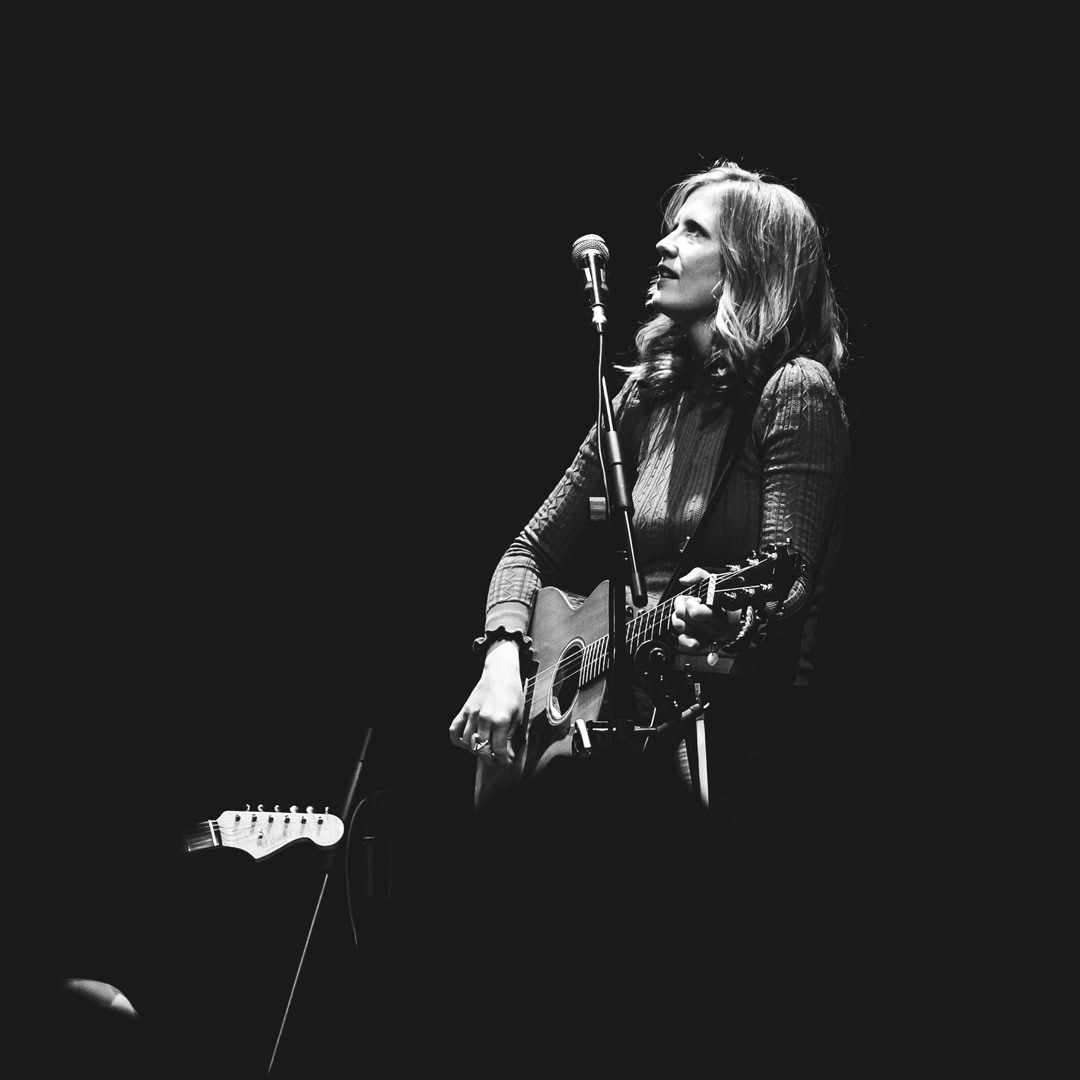
Rather than continuous scoring, music enters with precision—interrupting, reframing, and intensifying what is seen. Soul on a Journey frames the film’s opening and closing, positioning the narrative within a larger human search, while other pieces surface briefly but decisively, shaping the film’s emotional and thematic arc.
Together, music and sound form a shifting language—at times lyrical, at times dissonant—carrying meaning where words and images alone cannot.
CINEMATOGRAPHY & ENVIRONMENT
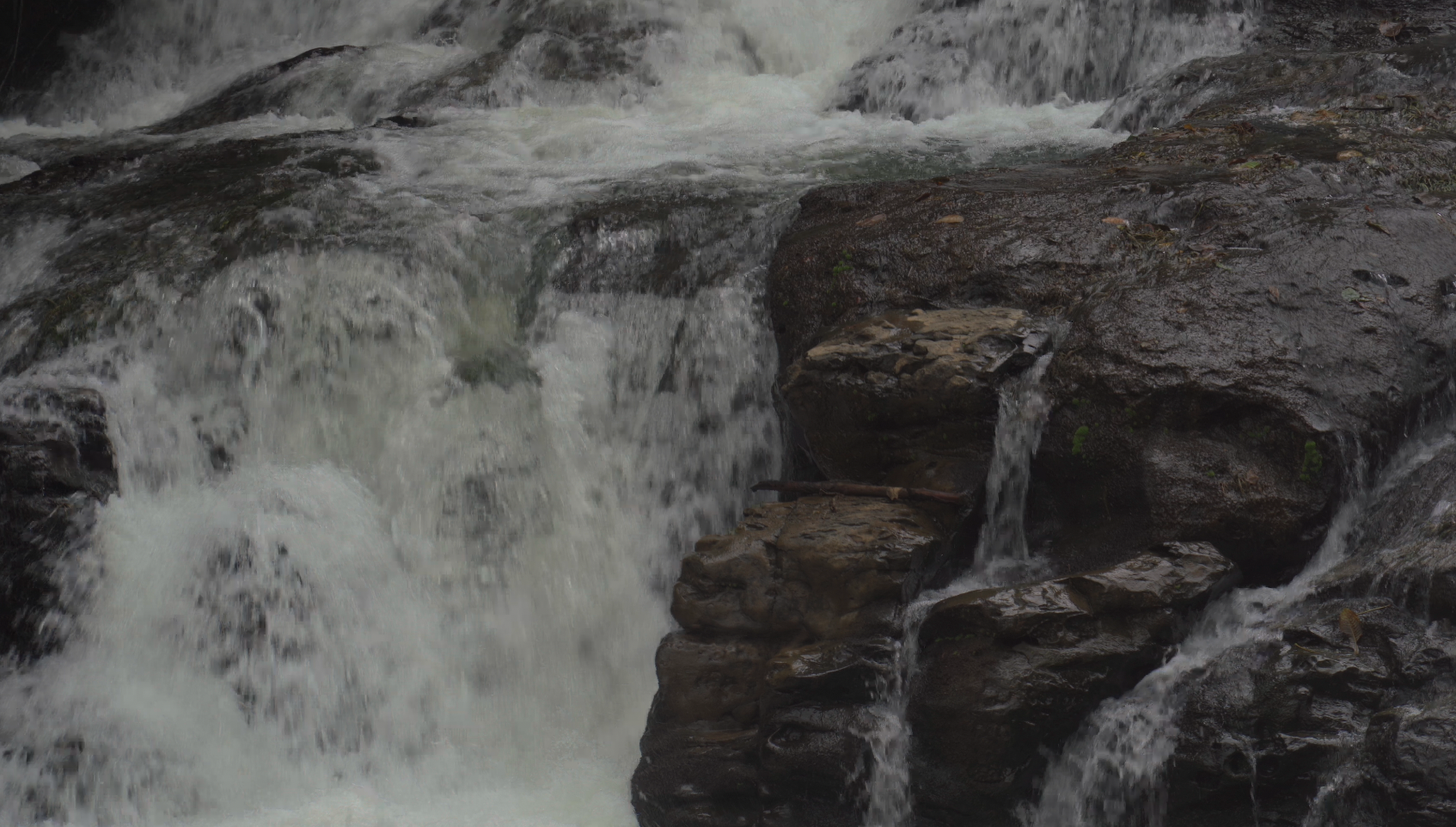
Cries of a Jaguar is a composite form that moves between documentary realism and constructed imagery to examine land, identity, violence, and perception. Observational footage of daily life is interwoven with animation, staged re-constructions, and stylized sequences that mark shifts in memory, intuition, and internal experience.
The film does not follow a linear investigation. It builds through layers—personal, social, and symbolic—where lived events, systemic forces, and recurring patterns begin to intersect.
Visual and sonic shifts are used deliberately: changes in color, texture, and form signal movement between external reality and interior states, while music and ambient sound function as a parallel narrative.
Rather than resolve its tensions, the film holds them—inviting the viewer into a space where documentation and interpretation coexist, and where meaning emerges through accumulation rather than explanation.