After building an experimental cultural center in rural Costa Rica, a queer artist becomes the target of violence and arson—exposing the fragile reality beneath the nation’s global image of ecological paradise.
Film Synopsis
Cries of a Jaguar is a hybrid documentary feature set in Costa Rica, a country celebrated worldwide as a model of ecological protection and democratic stability. Beneath this global image of paradise, however, lies a far more complex landscape where land, power, and justice collide.
The film follows artist and filmmaker Huilo, who establishes an experimental cultural center deep in the rural southern region of the country. Built as a sanctuary for art, ecology, and community, the project brings together local farmers, activists, and artists seeking new ways to imagine life beyond the pressures of tourism and extractive development.
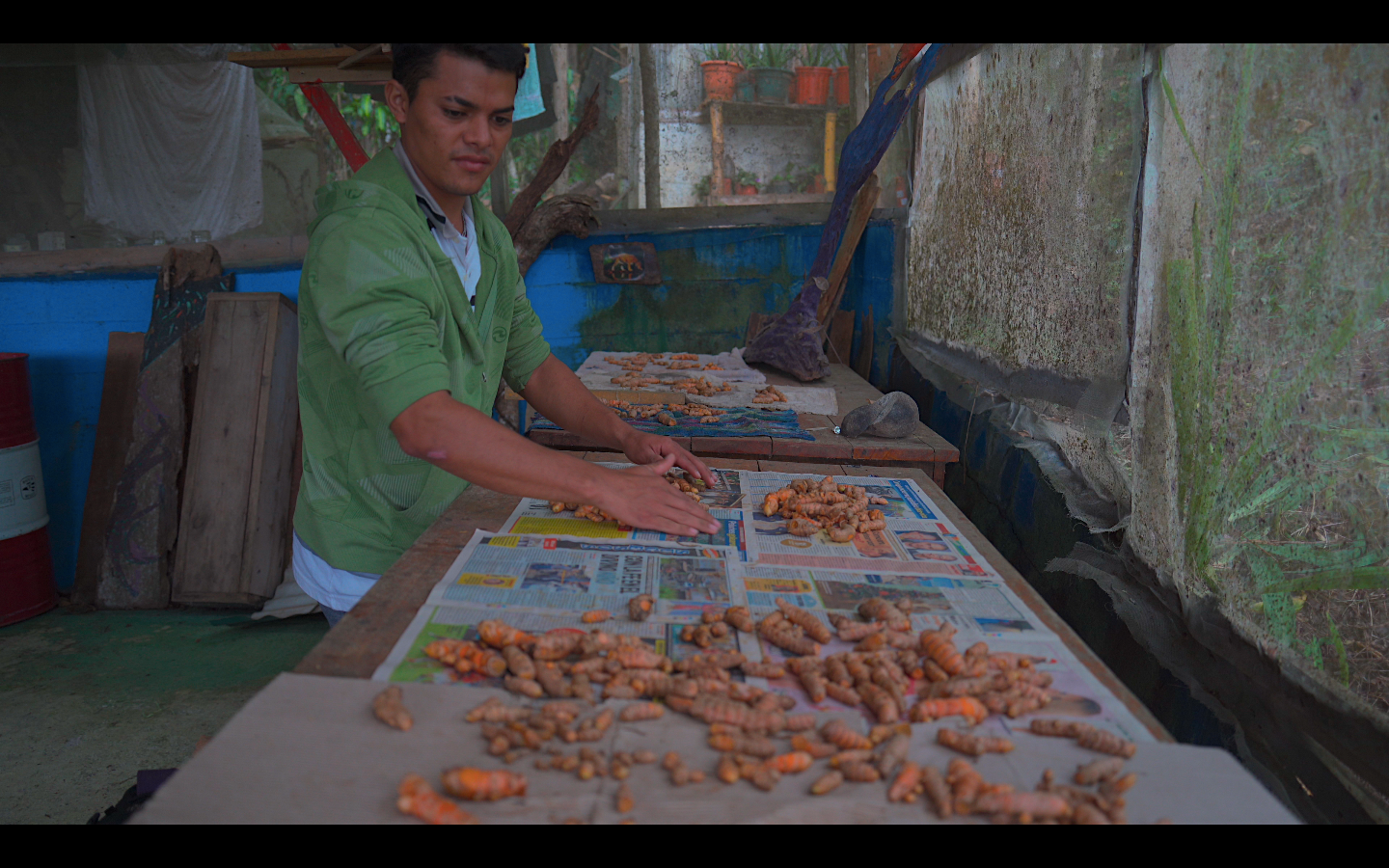
Among those drawn into the orbit of the center is Luis, a young rural farmer navigating the harsh realities of agricultural survival. Through Luis’s story, the film reveals the fragile conditions facing many rural Costa Ricans—erratic climate patterns, economic vulnerability, and limited access to opportunity. As his path intersects with the center, the promise of cultural and creative exchange begins to reshape the possibilities of his future.
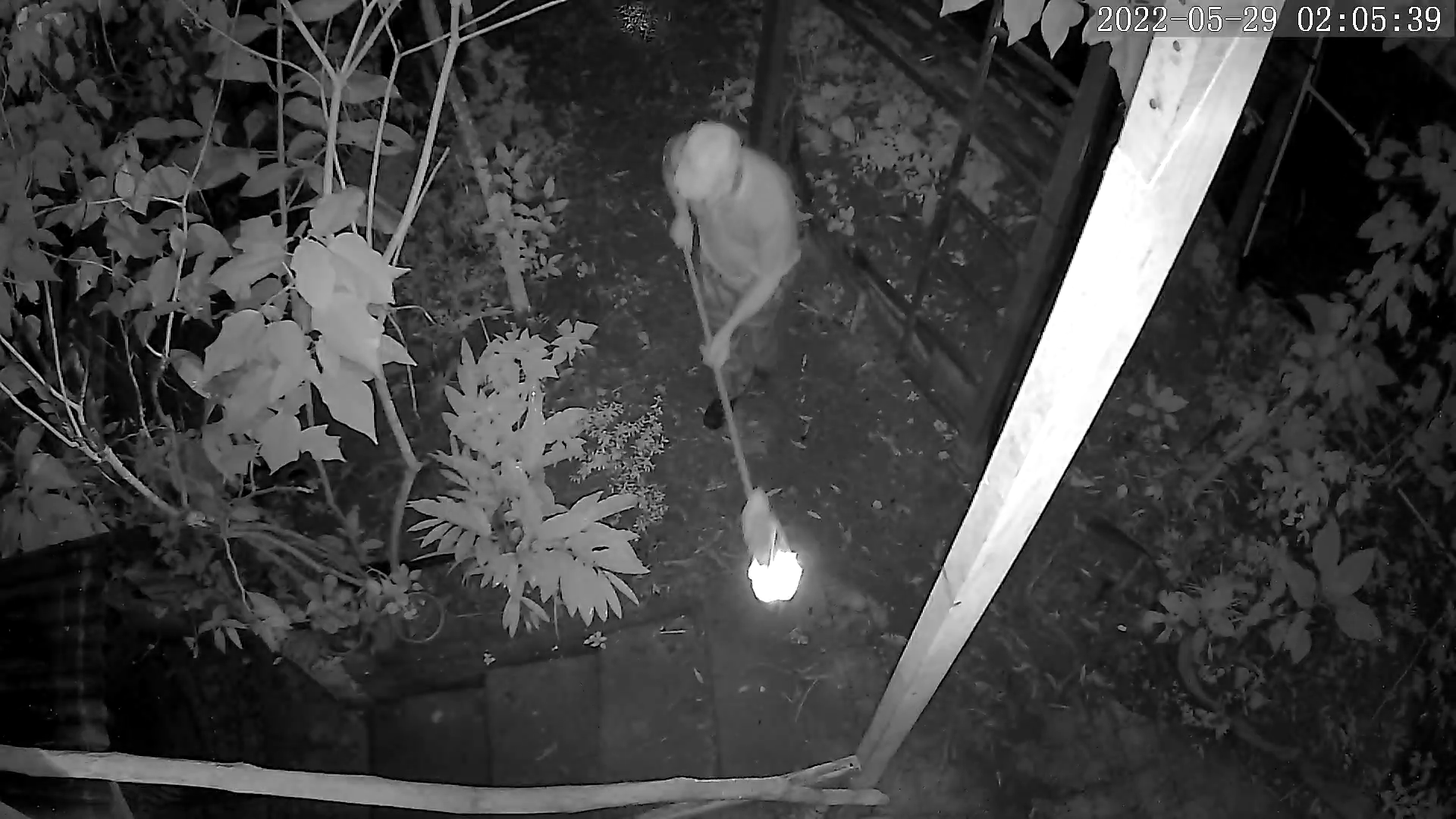
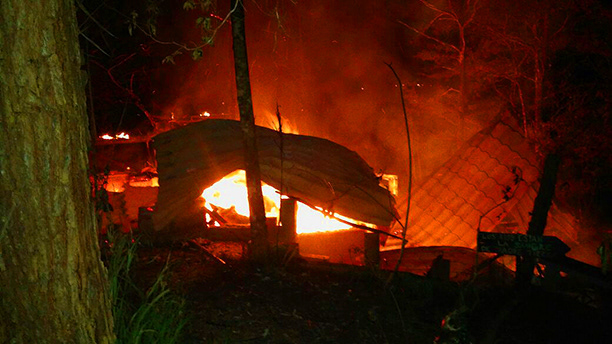
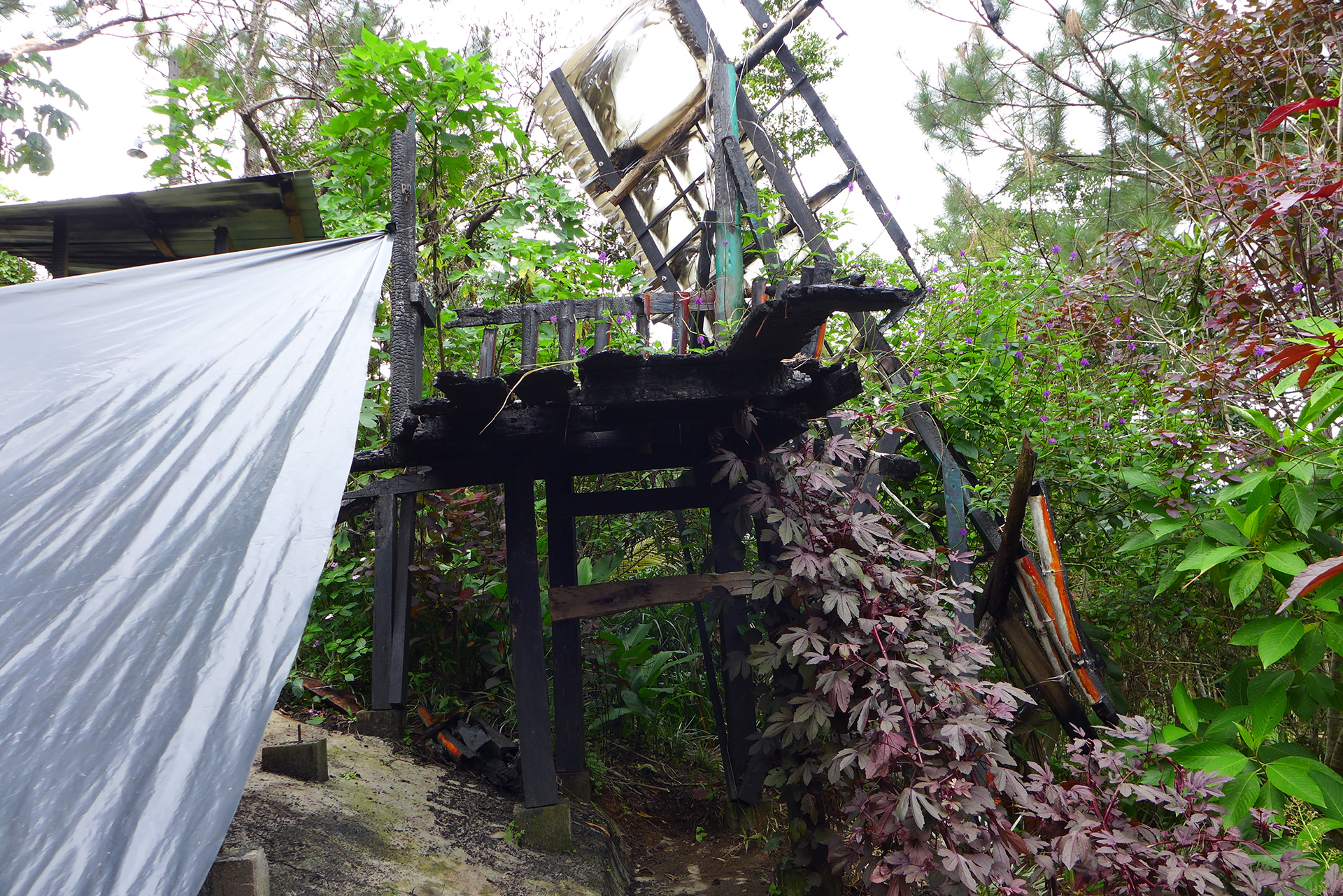
But the experiment soon faces darker forces. The center becomes the target of escalating harassment, legal disputes, and ultimately two acts of arson that destroy years of artistic work. As Huilo pursues justice through a labyrinth of courts, police investigations, and political resistance, the film exposes the hidden tensions between Costa Rica’s international environmental reputation and the lived realities of those on the ground.
Blending observational documentary with elements of magical realism, animation, and poetic narration, Cries of a Jaguar expands the visual language of nonfiction storytelling. Mythic imagery, environmental metaphor, and fragments of testimony weave together to reveal a world where nature, memory, and human resilience speak across visible and invisible borders.
At once an investigation, a personal reckoning, and a portrait of contemporary Costa Rica, the film asks a deeper question: what happens when art, community, and imagination challenge systems that would prefer silence?
Ecotourism myth
Justice system
Queer survival
Land conflict
Key Themes
Art & resistance
Ecotourism and myth
Rural survival
Queer identity and courage
Justice and institutional failure
Ecotourism and myth
Rural survival
Queer identity and courage
Justice and institutional failure